

Stay Healthy During the Heat with Expert Care from Kansas City Urology Care
Summer in the Kansas City area means longer days, outdoor concerts, youth sports, vacations, backyard barbecues, and plenty of time spent outside. While many people focus on protecting themselves from sunburn and heat exhaustion, one common health concern often goes unnoticed until it becomes extremely painful — kidney stones.
At Kansas City Urology Care (KCUC), summer is one of the busiest times of year for patients experiencing kidney stone symptoms. High temperatures combined with dehydration can significantly increase your risk of developing kidney stones, even if you’ve never had one before.
The good news? Many kidney stones are preventable with proper hydration, healthy habits, and early medical evaluation when symptoms appear.
Whether you’re working outdoors, coaching little league, golfing, traveling, or simply enjoying everything Kansas City has to offer this summer, understanding your risk could help you avoid an unexpected trip to the emergency room.

Why Does Summer Increase Your Risk for Kidney Stones?
Your kidneys work around the clock to filter waste products from your blood and regulate fluids throughout your body. Normally, these waste products leave your body through urine.
However, when you become dehydrated, your urine becomes much more concentrated. Instead of dissolving naturally, minerals like calcium, oxalate, and uric acid can begin sticking together, eventually forming hard crystals that grow into kidney stones.
During the summer months, it’s much easier to become dehydrated than many people realize.
You don’t have to be working construction all day to lose significant amounts of water. Simply spending several hours outside mowing the lawn, attending a sporting event, gardening, or enjoying a weekend at the lake can increase fluid loss through sweating.
Many people also replace water with beverages like soda, energy drinks, coffee, or alcohol—all of which can contribute to dehydration if water intake isn’t adequate.
The result is a perfect environment for kidney stones to develop.
Kansas City summers often bring temperatures into the 90s with high humidity, placing even more stress on your body’s hydration needs. Especially this summer in the metro already with the extreme heat warnings and patterns.
What Exactly Is a Kidney Stone?
A kidney stone is a hard deposit made from minerals and salts that forms inside the kidneys.
These stones may be as small as a grain of sand or as large as a golf ball. While some tiny stones pass naturally without causing significant discomfort, larger stones can block the urinary tract and create severe pain.
Several different types of kidney stones exist, including: (see image below)
- Calcium stones (the most common)
- Uric acid stones
- Struvite stones
- Cystine stones
Each type develops for different reasons, which is why identifying the underlying cause is important in preventing future stones.
If you’ve had a kidney stone before, your risk of developing another one is higher. Fortunately, early evaluation and personalized prevention strategies can help reduce your chances of recurrence.
With more than 20 experienced urologists and oncology providers serving patients throughout Kansas and Missouri, Kansas City Urology Care provides expert diagnosis, advanced kidney stone treatment, and personalized care for patients across the Kansas City metro and surrounding communities.
Our specialists will evaluate your symptoms, identify the underlying cause of your kidney stones, recommend the most appropriate treatment options, and develop a personalized prevention plan to help reduce your risk of future stones while supporting your long-term urinary health.

Who Is Most at Risk For Kidney Stones During the Summer?
Although kidney stones can affect anyone, certain individuals have a much greater risk, especially during periods of extreme heat.
You may have an increased chance of developing kidney stones if you:
- Have had kidney stones before
- Have a family history of kidney stones
- Spend long hours working outdoors
- Exercise frequently in hot weather
- Don’t drink enough water throughout the day
- Eat a high-sodium diet
- Consume large amounts of animal protein
- Have obesity or diabetes
- Have digestive disorders affecting nutrient absorption
Men are statistically more likely to develop kidney stones than women, but the number of women diagnosed with kidney stones has steadily increased over the past decade.
Children and teenagers can also develop kidney stones, particularly if they become dehydrated during sports or outdoor activities.
Outdoor Workers Face an Even Greater Kidney Stones Risks
Construction workers, landscapers, roofers, delivery drivers, farmers, utility workers, and others who spend extended periods outside often lose more fluids than they realize.
Many workers wait until they feel thirsty before drinking water.
Unfortunately, thirst is already a sign that your body has begun becoming dehydrated.
Staying ahead of dehydration by drinking water consistently throughout the day is one of the easiest ways to reduce your risk.
Recognizing Kidney Stone Warning Signs
Kidney stones don’t always cause symptoms immediately.
Small stones may remain in the kidney without causing discomfort. Problems usually begin once the stone starts moving through the urinary tract.
Because every patient experiences kidney stones differently, symptoms can range from mild discomfort to sudden, severe pain.
Common warning signs include:
- Sharp pain in your back or side
- Pain that radiates toward the lower abdomen or groin
- Blood in the urine
- Frequent urination
- Burning during urination
- Cloudy or foul-smelling urine
- Nausea or vomiting
- Fever or chills if an infection develops
Many patients describe kidney stone pain as one of the most intense types of pain they’ve ever experienced.
The pain may come in waves as the stone moves through the urinary tract.
Don’t Ignore Blood in Your Urine
Even if you aren’t experiencing pain, blood in your urine should never be ignored.
While kidney stones are one possible cause, blood in the urine may also indicate infection, enlarged prostate, bladder conditions, or other urologic concerns that require prompt evaluation.
If you’re experiencing blood in your urine, severe back pain, or symptoms that concern you, schedule an appointment with a KCUC urology specialist as soon as possible.
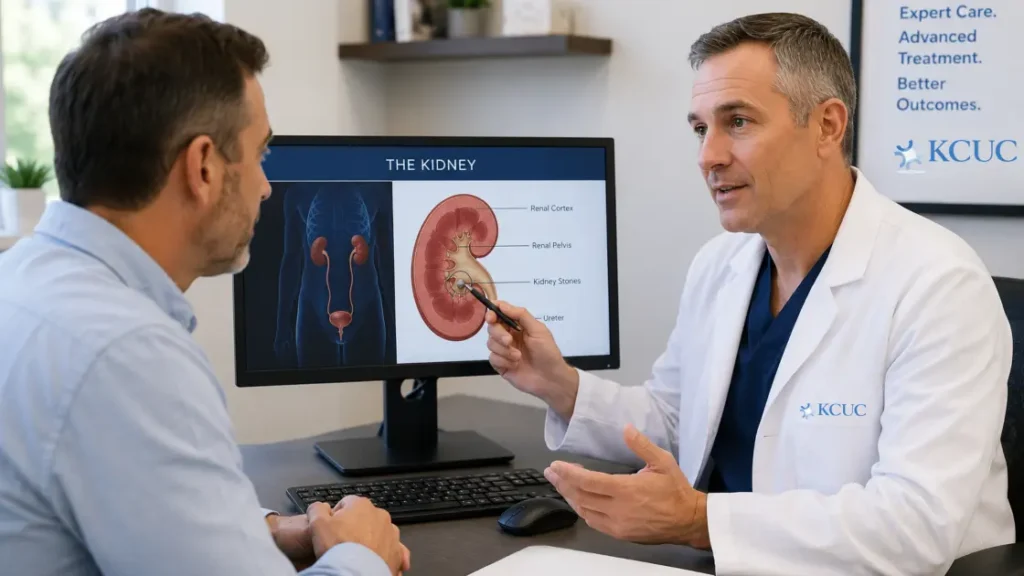
Is It a Kidney Stone, or Something Else?
Not every episode of back or abdominal pain is caused by a kidney stone.
Symptoms can sometimes resemble:
- Urinary tract infections (UTIs)
- Muscle strains
- Appendicitis
- Gallbladder disease
- Diverticulitis
- Other abdominal conditions
That’s why receiving an accurate diagnosis is so important.
At Kansas City Urology Care, our specialists use advanced diagnostic imaging, laboratory testing, and comprehensive evaluations to determine the cause of your symptoms and recommend the most appropriate treatment.
Rather than guessing, or hoping the pain goes away, early evaluation can help prevent complications and get you feeling better sooner.
Why Early Kidney Treatment Matters
Many people try to “tough it out” when symptoms first begin, hoping they’ll pass the stone naturally.
While some small stones do pass without intervention, larger stones can become lodged in the urinary tract and lead to:
- Severe, persistent pain
- Urinary blockage
- Kidney infections
- Reduced kidney function
- Emergency surgery if left untreated
Receiving prompt medical attention gives your urologist the opportunity to determine the stone’s size and location, discuss treatment options, and help prevent additional complications.
The experienced team at Kansas City Urology Care provides comprehensive evaluation and treatment for kidney stones, helping patients throughout Overland Park, Kansas City, Lee’s Summit, Liberty, North Kansas City, and surrounding communities receive expert care close to home.
Request an Appointment with KCUC.

Modern Kidney Stone Treatment Options
Not every kidney stone requires surgery.
Treatment depends on several factors, including the size of the stone, its location, your symptoms, and whether it’s causing an obstruction or infection.
At Kansas City Urology Care, our experienced urologists take a personalized approach to treatment. After a thorough evaluation, we’ll recommend the option that’s most appropriate for your condition.
Treatment may include:
Observation & Increased Hydration
Very small kidney stones may pass naturally with increased water intake and medications to help relax the urinary tract.
Your provider may also recommend pain management and monitoring while the stone passes.
Medication
Depending on the type and size of your kidney stone, medications may be prescribed to:
- Help relax the ureter
- Reduce discomfort
- Prevent infection
- Encourage the stone to pass more easily
Minimally Invasive Procedures
If the stone is too large to pass naturally or becomes lodged, additional treatment may be necessary.
KCUC offers advanced treatment options designed to remove kidney stones while minimizing recovery time whenever possible.
Our specialists will discuss your treatment options, answer your questions, and guide you through every step of your care.
If you’re experiencing kidney stone symptoms, don’t wait for the pain to worsen. Schedule an appointment with a Kansas City Urology Care specialist to receive an accurate diagnosis and personalized treatment plan.
How to Reduce Your Risk of Kidney Stones This Summer
While not every kidney stone can be prevented, simple lifestyle habits can significantly reduce your risk.
Stay Hydrated Throughout the Day
Water is your best defense against kidney stones.
Rather than drinking large amounts at once, aim to stay consistently hydrated throughout the day.
If you’re working outside, exercising, or spending time in the Kansas City heat, you’ll likely need even more fluids than usual.
A good rule of thumb is to drink enough water so your urine remains pale yellow or nearly clear.
Eat a Balanced Diet
Your diet also plays an important role in kidney stone prevention.
Depending on the type of stone you’ve had, your provider may recommend:
- Limiting excess sodium
- Eating more fruits and vegetables
- Reducing excessive animal protein
- Maintaining normal calcium intake
- Avoiding excessive sugary beverages
Many people are surprised to learn that eliminating calcium altogether is not recommended for most kidney stone patients. In fact, a healthy amount of dietary calcium often helps reduce stone formation.
Don’t Wait Until You’re Thirsty
Thirst is one of the last signs your body gives before dehydration.
Whether you’re spending the day at the ballpark, golfing, working outside, or enjoying a weekend at the lake, make water part of your routine, not an afterthought.
Know Your Personal Risk
If you’ve had one kidney stone, your chances of developing another increase.
Your urologist can help determine why your stone formed and recommend strategies to reduce the likelihood of future episodes.
Want to learn how to reduce your risk of future kidney stones? The team at Kansas City Urology Care can help you develop a personalized prevention plan based on your medical history and risk factors.

When Should You See a Urologist?
One of the biggest mistakes patients make is assuming they’ll know when a kidney stone becomes serious.
While some stones may pass on their own, others require prompt medical treatment to prevent complications.
You should contact a urologist if you experience:
- Severe pain in your back, side, or abdomen
- Blood in your urine
- Difficulty urinating
- Frequent urinary urgency
- Recurrent kidney stones
- Persistent urinary discomfort
- Symptoms that don’t improve
If kidney stone pain is accompanied by fever, chills, vomiting, or an inability to urinate, seek emergency medical attention immediately. These symptoms could indicate a blockage or infection requiring urgent care.
Receiving treatment early often means more options, faster relief, and a lower risk of long-term complications.
Don’t Let a Kidney Stone Disrupt Your Summer
Summer should be spent making memories, not dealing with severe pain or an unexpected trip to the emergency room.
Whether you’re enjoying a family vacation, attending youth sporting events, working outdoors, or simply spending time with friends, staying hydrated and recognizing the warning signs of kidney stones can help protect your health throughout the hottest months of the year.
If you’ve experienced kidney stones before, are noticing urinary symptoms, or simply want answers about your risk, the experienced team at Kansas City Urology Care is here to help.
Our board-certified urologists proudly care for patients throughout Kansas City and surrounding communities, providing advanced diagnosis, treatment, and prevention strategies tailored to each patient’s needs.
Schedule an Appointment with Kansas City Urology Care
If you’re experiencing kidney stone symptoms or want to learn more about protecting your urinary health, don’t wait until the pain becomes unbearable.
Schedule an appointment with Kansas City Urology Care today to receive expert evaluation, personalized treatment, and compassionate care from one of the region’s leading urology practices.
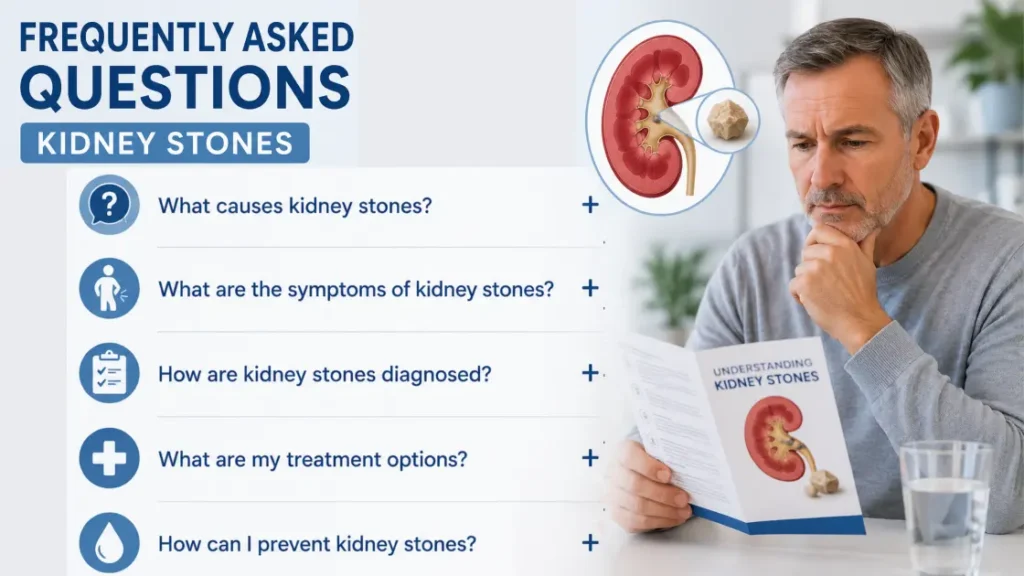
Frequently Asked Questions Kidney Stones
Why are kidney stones more common during the summer?
Hot weather increases fluid loss through sweating, which can lead to dehydration. When you’re dehydrated, your urine becomes more concentrated, making it easier for minerals to form kidney stones.
How much water should I drink to help prevent kidney stones?
Water needs vary based on activity level and weather, but most adults should drink enough fluids to keep their urine pale yellow or nearly clear. People who work or exercise outdoors may need significantly more water during the summer.
What does kidney stone pain feel like?
Many people describe kidney stone pain as severe, sharp pain in the side or back that may radiate toward the lower abdomen or groin. The pain often comes in waves and may be accompanied by nausea, vomiting, or blood in the urine.
Can kidney stones go away on their own?
Some small kidney stones can pass naturally with hydration and medication. Larger stones or stones causing severe symptoms may require treatment by a urologist.
Should I go to the emergency room for a kidney stone?
If you have severe pain with fever, chills, vomiting, or difficulty urinating, seek emergency medical attention immediately. Otherwise, scheduling an appointment with a urologist as soon as possible is often the best next step.
Can kidney stones come back?
Yes. Once you’ve had a kidney stone, you’re at a higher risk of developing another. Working with your urologist to identify the cause and make lifestyle changes can help reduce your risk of recurrence.