Why Pelvic Floor Health Matters
January is widely known for cervical cancer awareness, encouraging women to prioritize screenings and preventive care. While KCUC does not treat cervical cancer, this important awareness month creates an opportunity to talk about overall pelvic & urologic health for women. Many women don’t realize that female urology conditions can significantly impact quality of life, often developing quietly over time. Issues such as bladder leakage (urinary incontinence), pelvic pressure, or discomfort are more common than many think, and they are highly treatable.
Pelvic floor health plays a crucial role in daily function, comfort, and long-term wellness. When muscles and tissues weaken, symptoms may affect urination, bowel function, and physical activity. These conditions can also influence emotional well-being and confidence. Understanding available treatments empowers women to seek care earlier and improve outcomes.
In the Kansas City metro, KCUC provides specialized care for pelvic floor disorders through advanced diagnostics, personalized treatment plans, and minimally invasive procedures. Their focus is not only on treating symptoms but restoring function and improving quality of life.
What Is Pelvic Floor Health?
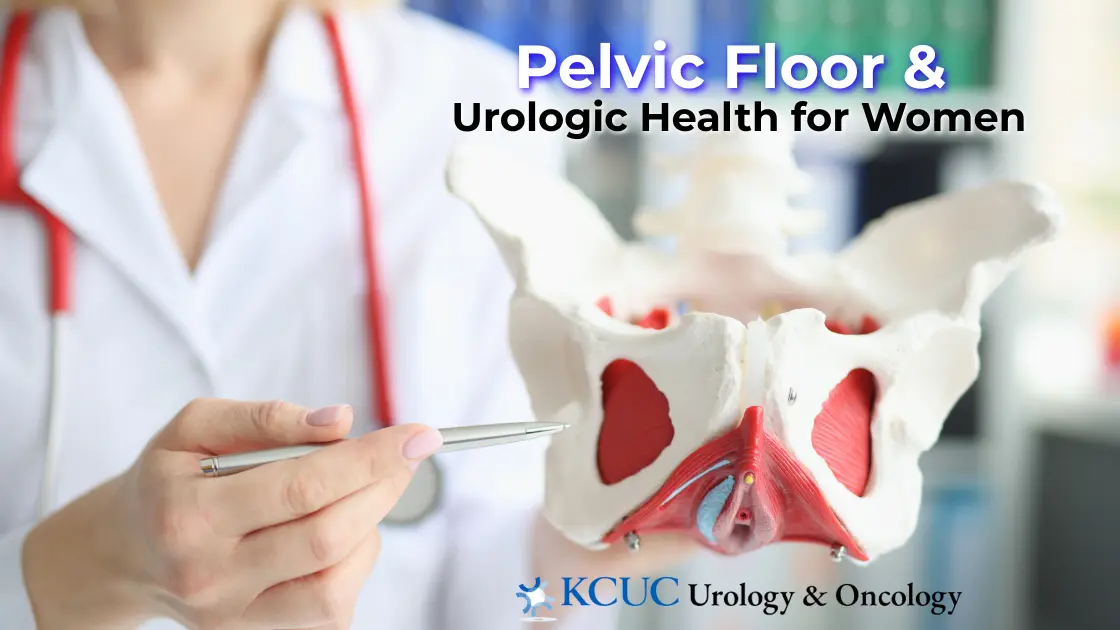
The pelvic floor is a group of muscles and tissues that support organs such as the bladder, uterus, and rectum. These muscles help control urination, bowel movements, and sexual function. When the pelvic floor becomes weakened or damaged, it can lead to several medical conditions that affect daily life.
Common pelvic floor issues include urinary incontinence, overactive bladder, and pelvic organ prolapse. These conditions can cause symptoms like bladder leakage, frequent urgency, pelvic pressure, or difficulty with bowel movements. Many women assume these symptoms are normal after childbirth or aging, but they are often treatable with proper care. Pelvic floor health is closely connected to overall wellness. When left untreated, these conditions may worsen over time, leading to greater discomfort and reduced quality of life. Early evaluation allows providers to recommend effective treatments that prevent complications.
Female Pelvic Medicine and Reconstructive Surgery (FPMRS)
Female Pelvic Medicine and Reconstructive Surgery (FPMRS) is a specialized field focused on diagnosing and treating pelvic floor disorders in women. Physicians in this field receive advanced training in both surgical and non-surgical treatments designed to restore pelvic support and function.
At KCUC, providers trained in FPMRS offer comprehensive care for conditions affecting the bladder, urethra, and pelvic organs. This includes advanced testing such as urodynamic evaluations, which help determine how the bladder and urethra function during daily activities. FPMRS specialists, focus on improving both medical outcomes and quality of life. Their goal is to provide personalized care that addresses each patient’s symptoms, lifestyle needs, and long-term health goals.
Who May Need Pelvic Floor Treatment?
Pelvic floor disorders can affect women at any stage of life, though certain factors increase risk. Pregnancy, childbirth, menopause, aging, and prior pelvic surgery can weaken pelvic support structures. Chronic coughing, heavy lifting, or obesity may also contribute to these conditions.
Women should consider evaluation if they experience symptoms such as bladder leakage, urgency, pelvic pressure, or a sensation of bulging in the vaginal area. These symptoms may indicate pelvic organ prolapse, a condition where organs shift from their normal position due to weakened support.
KCUC believes early evaluation helps determine the most appropriate treatment plan. Many patients benefit from conservative therapies, while others may require surgical intervention depending on severity and personal goals. Learn more about pelvic floor medicine and KCUC’s expert care in female urology.
What Conditions Does KCUC Treat?
KCUC provides comprehensive care for a wide range of advanced diagnostic and treatment options for women’s urologic and pelvic floor health needs. These include urinary incontinence, overactive bladder, pelvic organ prolapse, and fecal incontinence. Providers also treat complex conditions such as urethral diverticulum, vaginal cysts, and complications from prior pelvic surgeries. Treatment options range from lifestyle modifications and pelvic floor therapy, to advanced procedures like neuromodulation, bladder Botox, and minimally-invasive surgical repair. The goal is to restore function, reduce symptoms, and improve daily comfort. Request an appointment with KCUC today.
What Is Sacral Colpopexy?
Sacral colpopexy is a surgical procedure used to correct pelvic organ prolapse (POP). During this procedure, a synthetic mesh is used to anchor pelvic organs to the sacral bone, restoring normal support and position. This helps relieve symptoms such as pelvic pressure, urinary difficulties, and discomfort. Traditionally, this surgery required an open abdominal approach, which involved longer recovery times. However, advances in technology have led to minimally invasive techniques that significantly improve patient experience. KCUC performs robotic sacral colpopexy, allowing surgeons to achieve precise results with smaller incisions and faster recovery.
What Is Robotic Sacral Colpopexy?
Robotic sacral colpopexy is a minimally-invasive procedure performed using robotic surgical technology. Small incisions allow surgeons to insert instruments and a camera to guide the repair. This advanced approach provides enhanced visualization and improved precision. Compared to traditional surgery, robotic techniques offer several advantages. Patients typically experience less pain, minimal blood loss, and shorter hospital stays. Recovery is often faster, allowing patients to return to normal activities sooner. By restoring pelvic support, this procedure helps patients regain comfort, confidence, and improved quality of life.
Meet KCUC’s Pelvic Floor & Urology Health Experts
Pelvic floor health at KCUC is provided by a dedicated team of specialists with advanced training in female urology and reconstructive surgery. This team includes board-certified FPMRS physician Dr. Sam Kuykendall, along with experienced advanced practice providers. Together, they focus on delivering compassionate, personalized care tailored to each patient’s symptoms and goals. Using advanced diagnostic tools and evidence-based treatment plans, the team works collaboratively to ensure accurate diagnosis and effective outcomes.

FAQs About Pelvic Floor Health at KCUC
Does KCUC treat cervical cancer?
KCUC does not treat cervical cancer but encourages preventive screenings and overall pelvic health awareness.
What pelvic floor conditions does KCUC treat?
KCUC treats urinary incontinence, pelvic organ prolapse, overactive bladder, and other pelvic floor disorders.
Is robotic sacral colpopexy safe?
Yes, this minimally invasive procedure is considered highly effective with faster recovery times.
When should I see a pelvic floor specialist?
You should seek care if you experience bladder leakage, pelvic pressure, or urinary urgency.
Prioritize Your Pelvic Health This Year
Cervical cancer awareness reminds us of the importance of preventive care and routine health evaluations. While screenings focus on cancer detection, overall female urology and pelvic health is equally important for long-term well-being. Conditions affecting the pelvic floor are common but highly treatable when addressed early.
KCUC provides specialized pelvic floor conditions for women throughout Kansas City, offering advanced diagnostics, minimally invasive treatments, and compassionate support. Taking action now can improve comfort, restore function, and enhance quality of life. Schedule an appointment with KCUC today.